
About BTG
Who We Are
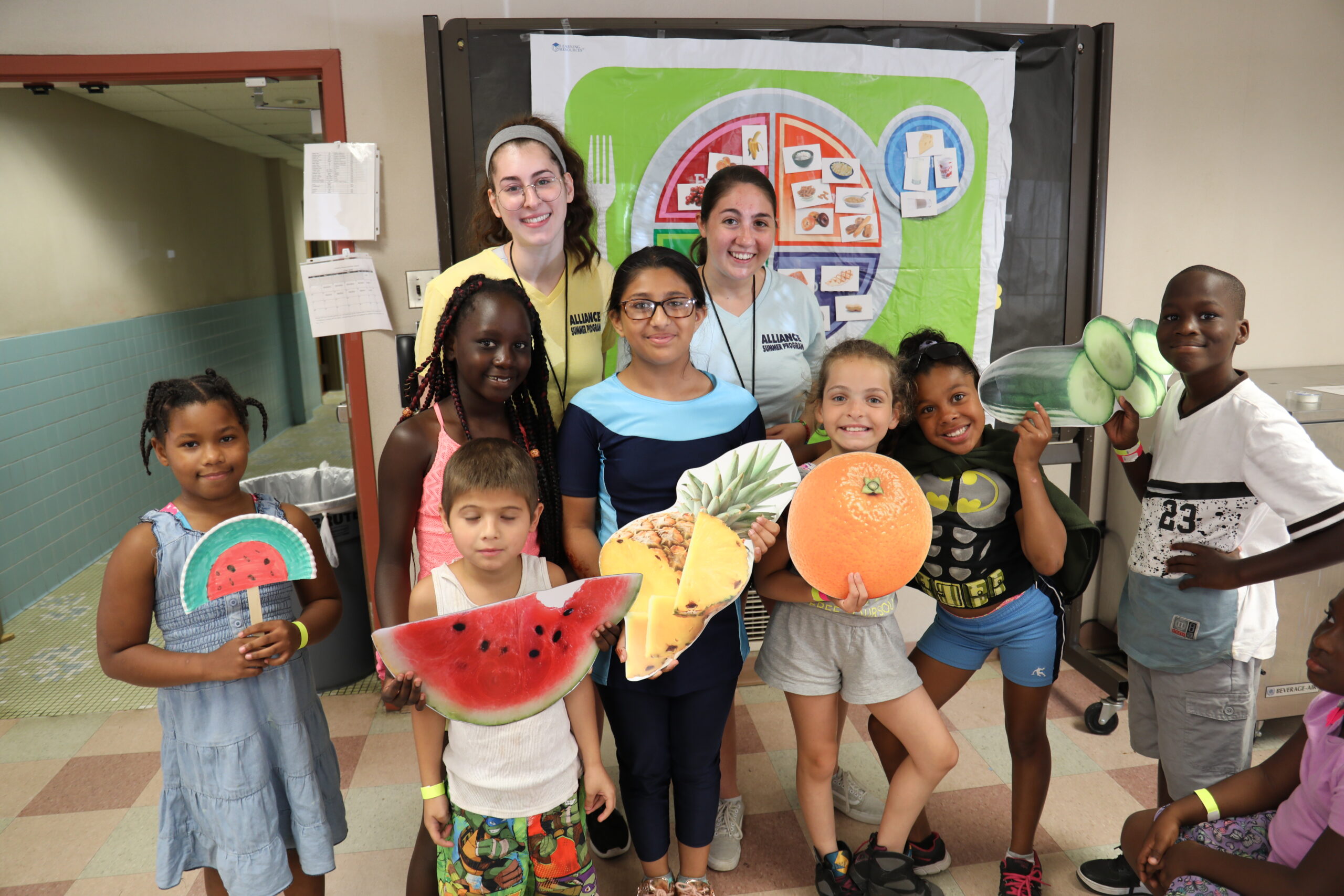
Bridging the Gaps (BTG) began in 1991 at one Philadelphia academic health center and has grown into a multi-site network across Pennsylvania and New Jersey. Today, BTG includes the Community Health Internship Program (BTG CHIP), the BTG Seminar Series, and the BTG Community Health Rotation Program—all designed to connect health and social service students with communities in meaningful, transformative ways.
BTG focus on health & prevention is three-fold:
Students
Give students skills, resources, and perspectives to use during the program and into their professional careers
Community
Offer under-resourced and underserved populations access to resources and information to attain healthy lifestyles and bring community wisdom into the education of health and social service professionals
Alumni
Expand impact through the BTG Alumni Network (BTGAN)—a community of professionals committed to advocacy, collaboration, and lifelong learning
Partnering community organizations in Philadelphia, Erie, Lehigh Valley, Pittsburgh, Reading, Greensburg/Seton Hill, and New Jersey
Meet the 2025 BTG CHIP student interns
History
Within five years of its founding, BTG CHIP was adopted by all Philadelphia academic health centers, forming the BTG Philadelphia Consortium (Drexel University, Temple University, Thomas Jefferson University, and the University of Pennsylvania). The model expanded to Lake Erie College of Osteopathic Medicine and the University of Pittsburgh, and later to the Lehigh Valley and New Jersey.
Today, BTG continues to grow, with new institutions exploring participation through feasibility years. Over three decades, BTG has evolved into a dynamic network committed to health equity and community partnership.
Recognition
BTG’s work has been honored by the City of Philadelphia, the Pennsylvania Department of Health, the Senate of the Commonwealth of Pennsylvania, the American College of Physicians, the Philadelphia County Medical Society, the American Red Cross, and numerous community-based and corporate entities.